
Union Pacific Big Boy
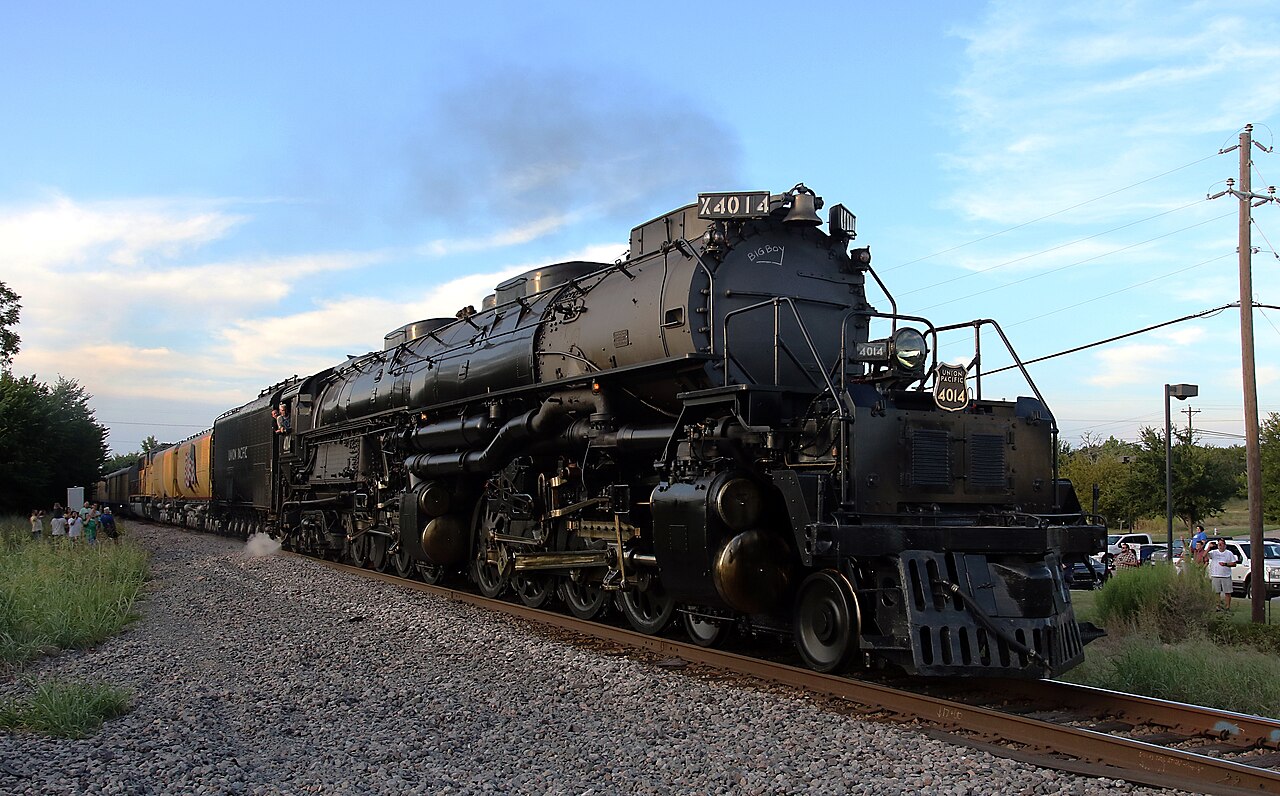
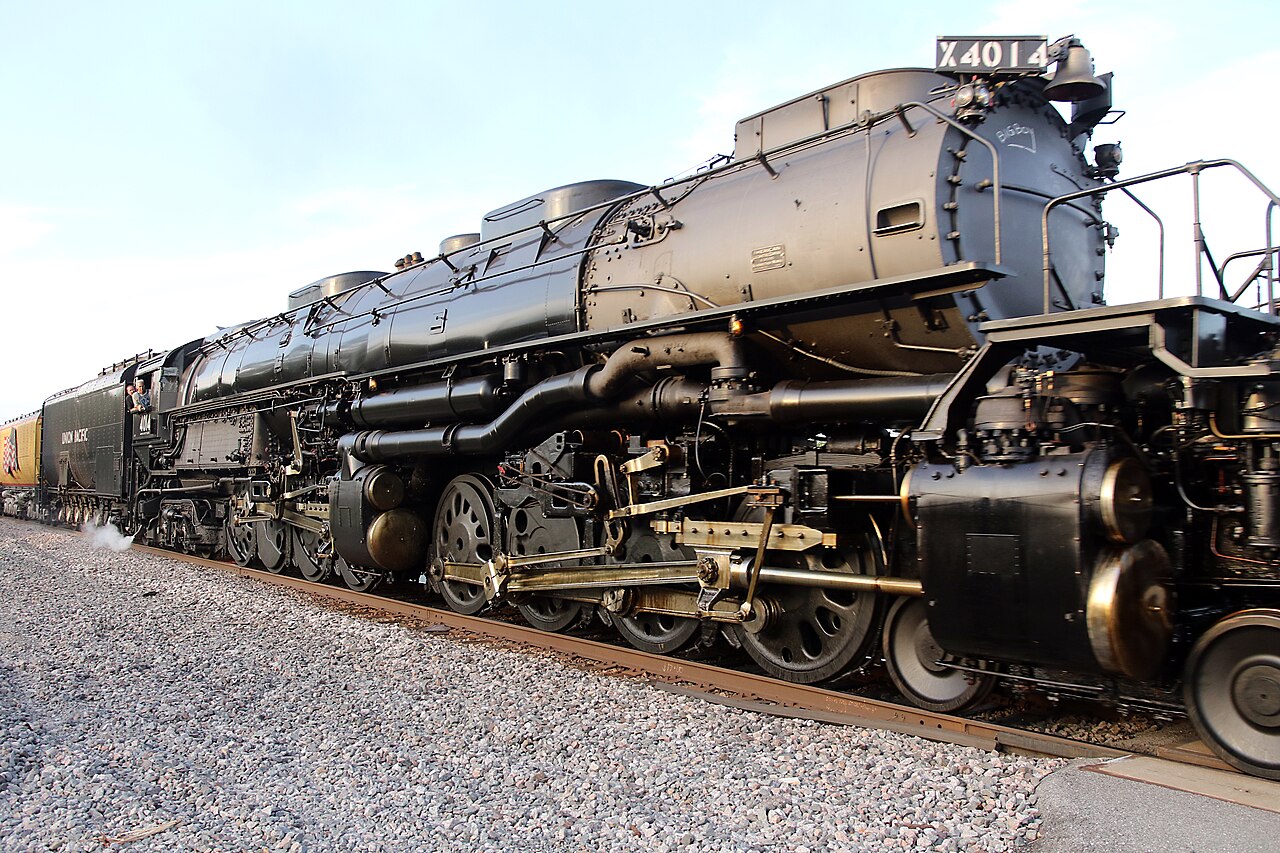
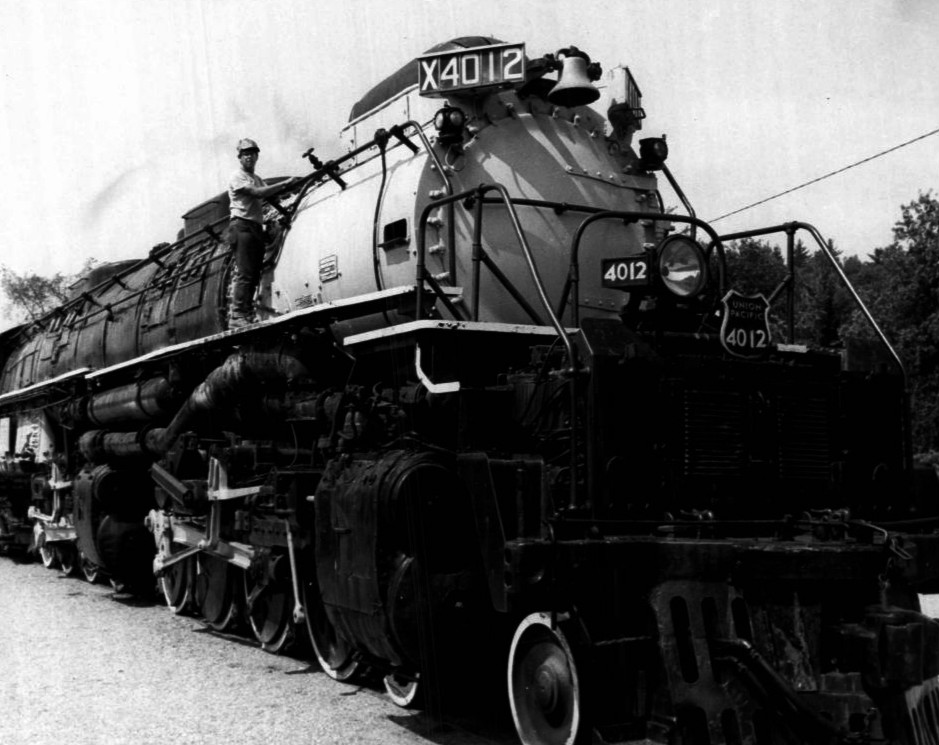
The largest and most powerful operational steam locomotive in the world.

Association of American Railroads (railroad trade association)/photo by Union Pa · Public domain
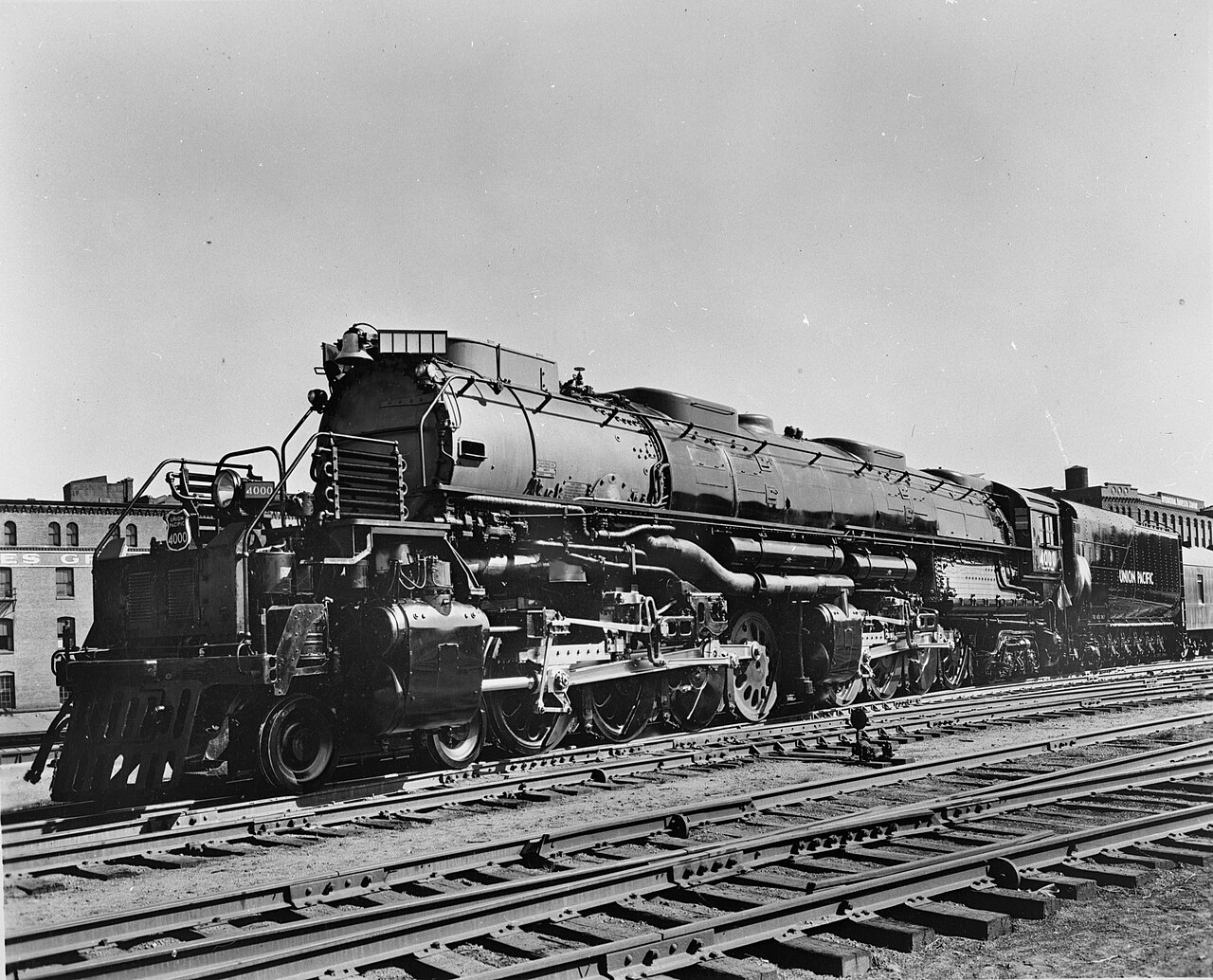
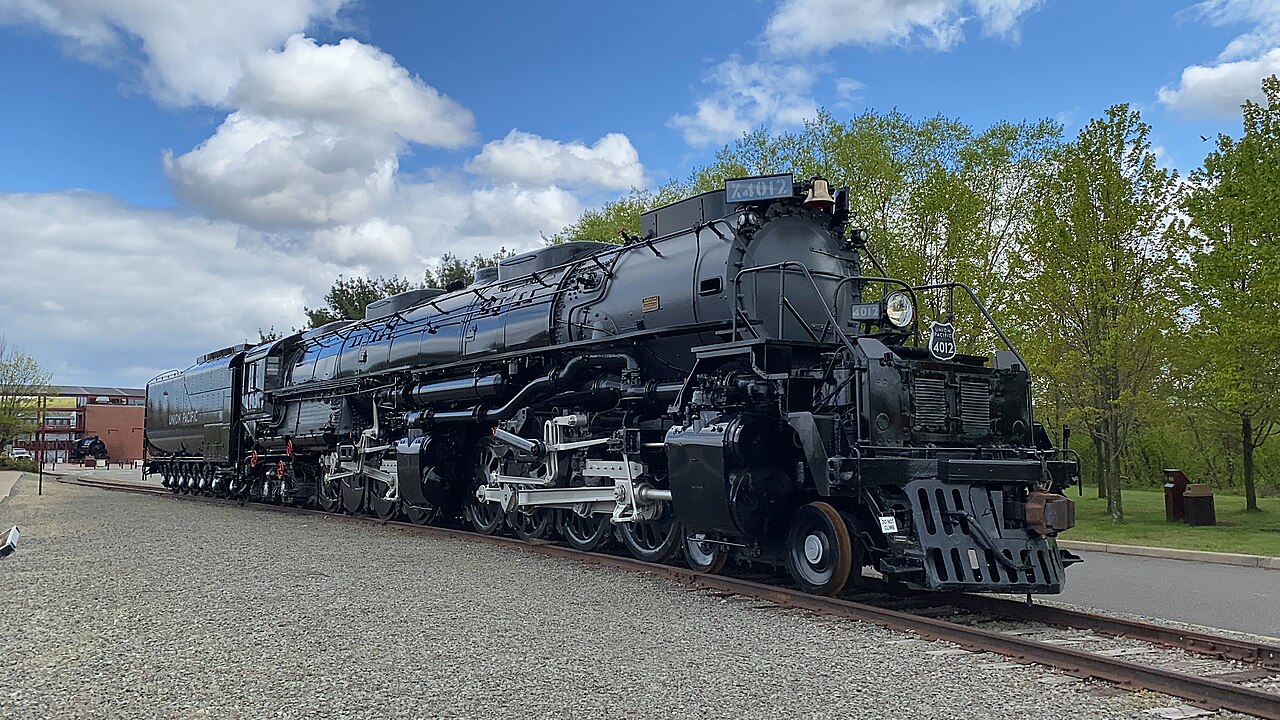
Designed to haul heavy freight over mountain grades without helper locomotives, the 25 Big Boys were the only locomotives to use the 4-8-8-4 wheel arrangement and were among the largest and most powerful steam locomotives ever built.
- Manufacturer
- American Locomotive Company (ALCO)
- Number built
- 25
- Wheel arrangement
- 4-8-8-4
- Operator
- Union Pacific Railroad
- Surviving examples
- 8
Lore & Background
The nickname 'Big Boy' originated when an unknown ALCO worker scrawled the words in chalk on the smokebox door of the first unit, No. The Big Boys were articulated but lacked the compounding of Mallet locomotives. During revenue service, experiments included converting No. The locomotives were equipped with a Hancock long-bell 3-chime 'steamboat' whistle and burned low-quality bituminous coal from Union Pacific-owned mines in Wyoming.
Reader's Guide
The Union Pacific Big Boy represents the pinnacle of steam locomotive development for heavy freight service in the United States. Designed to conquer the 1.14% grade of the Wasatch Range, these locomotives allowed Union Pacific to move wartime and postwar freight more efficiently. Their 4-8-8-4 wheel arrangement was unique, and their size and power set records that remain unmatched among reciprocating steam locomotives. The survival of eight Big Boys, with No. The Big Boy's design influenced later locomotive development and demonstrated the limits of what steam technology could achieve before dieselization ended the era. Their continued public display and operational status keep the history of steam railroading accessible to new generations.
Did You Know?
- The Big Boy has the longest engine body of any reciprocating steam locomotive, longer than two 40-foot buses.
Engineering at the Apex of Steam
In the late 1930s, Union Pacific appointed Otto Jabelmann to lead its research and mechanical standards division, where his team set about designing a 4-8-4 "Northern" that could handle both freight and passenger duties. By the time the FEF-3 sub-class emerged, the design had reached what UP regarded as the pinnacle of dual-service steam development. No.
A Career Between the Headlights
Upon entering service, No. It hauled the Overland Limited, the Los Angeles Limited, the Portland Rose, and the Challenger, giving travelers a front-row view of one of the most powerful steam engines ever built in America. No.
From Scrapyard to Survival
No. That single decision became the seed of what would grow into the Union Pacific heritage fleet. Today, No.
Common Misconceptions (Editorial)
Some people mistakenly think the Big Boys were Mallet locomotives with compounding, but the facts show they were articulated without compounding. Others may assume the "Big Boy" nickname was a formal marketing name, but it actually originated from an unknown ALCO worker who scrawled it in chalk on the first unit's smokebox door.
Why It Matters (Editorial)
The Union Pacific Big Boy endures as a symbol of raw mechanical ambition and the golden age of American railroading. Its sheer scale—from the unique 4-8-8-4 wheel arrangement to the longest engine body of any reciprocating steam locomotive—reminds us of an era when railroads conquered mountain grades with brute force and engineering ingenuity, rather than relying on multiple smaller helpers.
Gallery
Frequently Asked Questions
What are Union Pacific Big Boy's powers and role?
Its unique 4-8-8-4 articulated wheel arrangement made it one of the most powerful steam engines ever constructed, able to pull enormous freight loads over steep terrain without relying on helper locomotives. No other locomotive in railroad history ever used that specific wheel layout.
Why is Union Pacific Big Boy important?
As the sole 4-8-8-4 class ever built, the Big Boys represent the absolute ceiling of steam-era locomotive engineering. Their continued operation after restoration proves that even the most massive machines of the past can still pull real trains on modern rails.
More in Legendary Trains 1-20
Spotted an error? Know more?
This is a living reference — every entry is fact-audited, and reader corrections feed straight into our audit queue. Suggest an edit · See this site's audit record