
Stephenson's Rocket
Early steam locomotive that set the template for future engines.

NASA · Public domain
- builder
- Robert Stephenson
- wheel_arrangement
- 0-2-2
- field
- Steam locomotive engineering
- nationality
- British
- known_for
- Winning the Rainhill Trials; template for future steam locomotives
Lore & Background
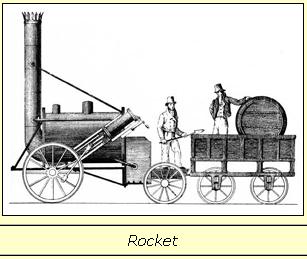
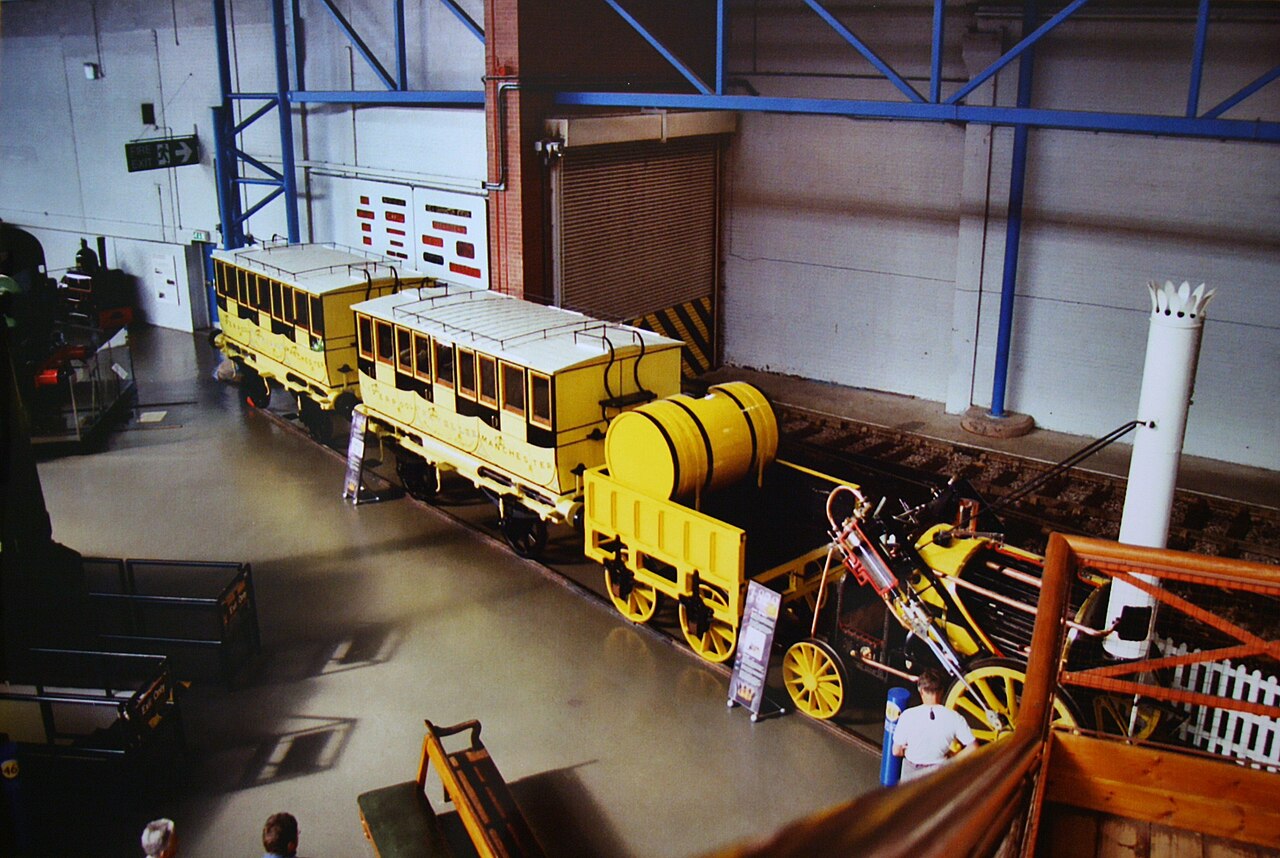
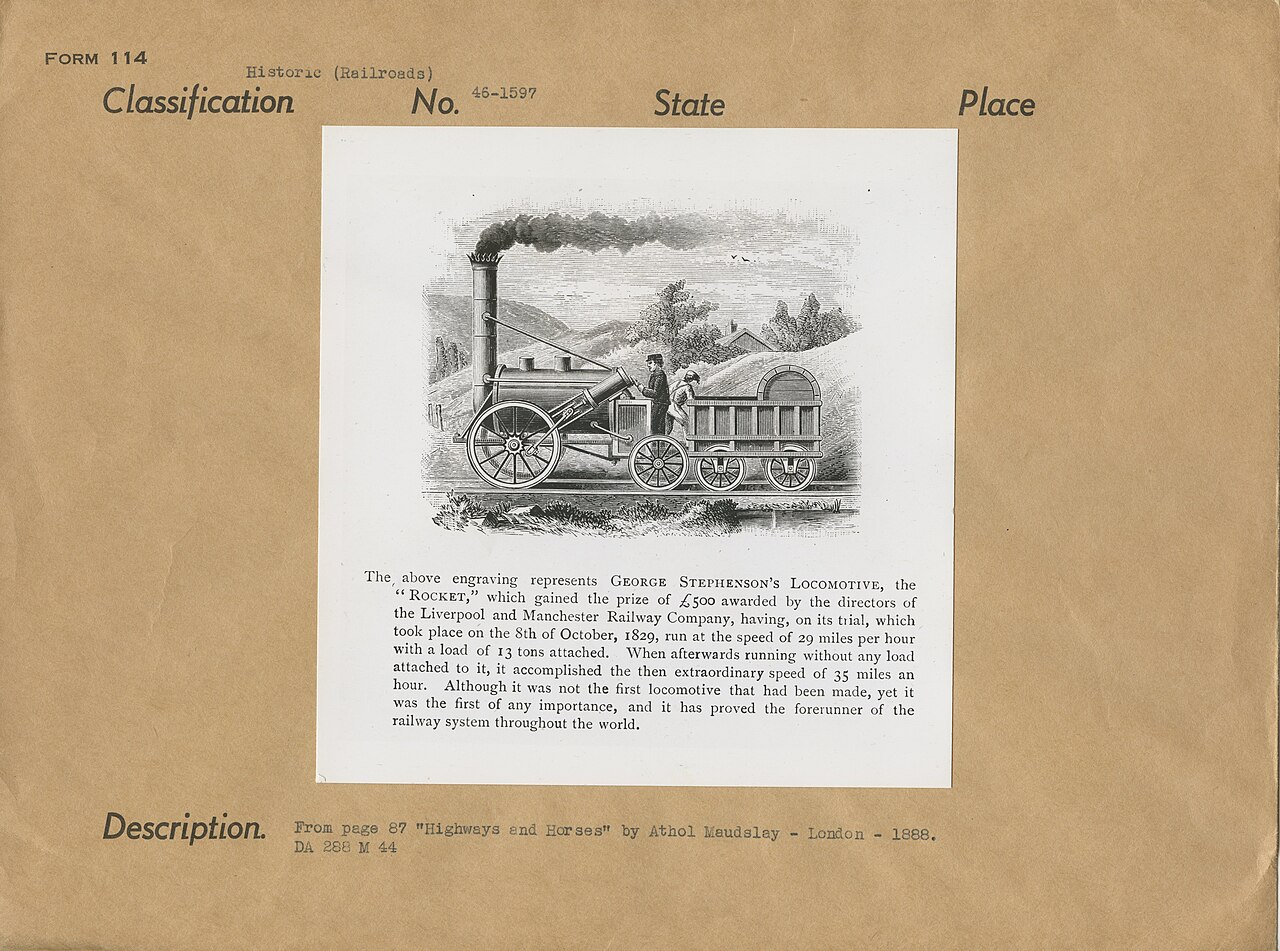
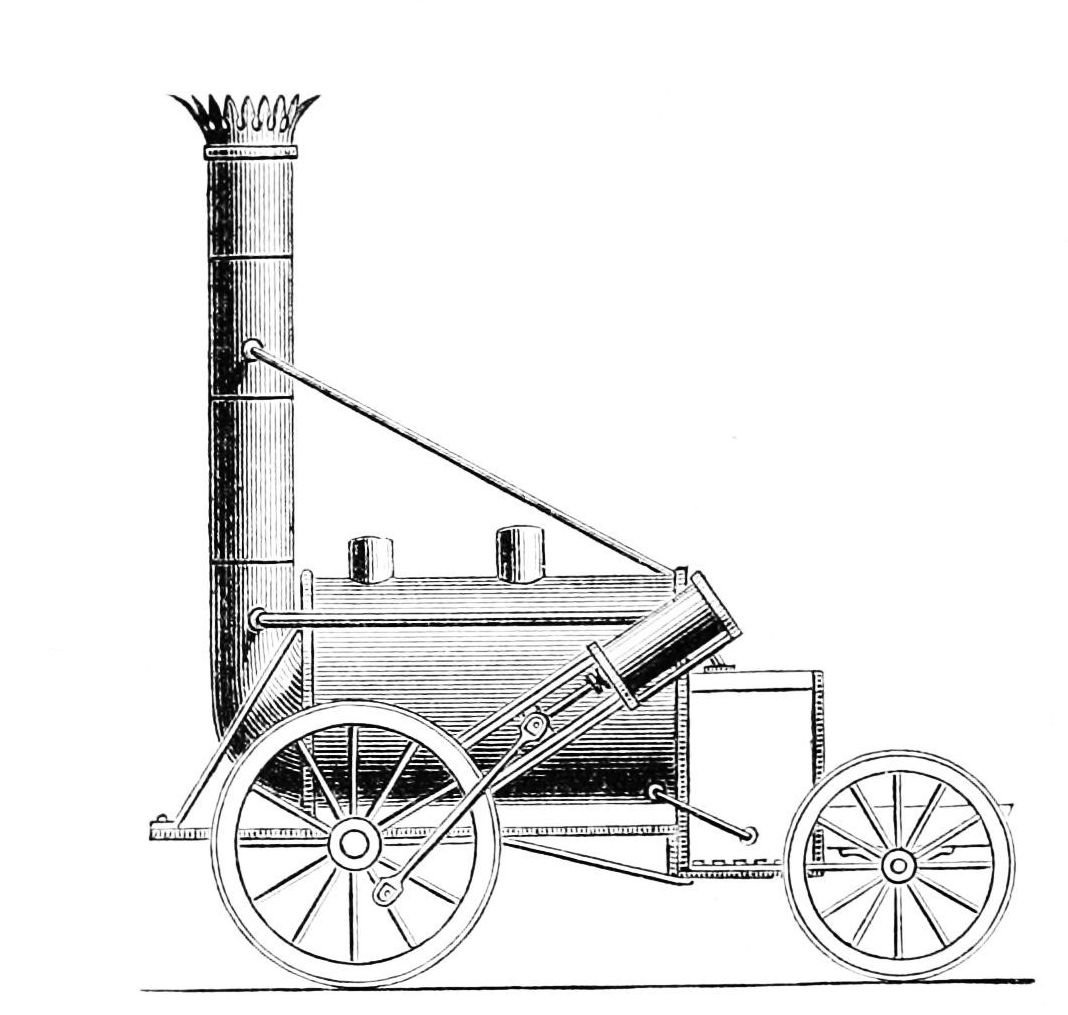
There has been disagreement over who deserves credit for the design: George Stephenson was living in Liverpool overseeing railway construction, while his son Robert was in daily charge at the works. Henry Booth, treasurer of the Liverpool and Manchester Railway, is believed to have suggested the multi-tube boiler. The locomotive was built specifically for the Rainhill Trials, which emphasized speed, reliability, and strict weight limits—six tons for six-wheeled locomotives and four and a half tons for four-wheeled ones. Stephenson realized the contest favored a fast, light locomotive of moderate hauling power. Rocket passed the trial requirement of averaging 10 mph over 70 miles by over 40 percent, and consistently hauled a carriage with over 20 persons up the Whiston Incline at over 15 mph. No other locomotive at the trials matched its performance reliably.
Reader's Guide
Its success at the Rainhill Trials proved that steam locomotives could reliably and efficiently operate a railway, convincing skeptics like Rastrick that stationary engines were unnecessary. The locomotive's design—a single pair of driving wheels, a multi-tube boiler, and a separate firebox—set a standard that influenced locomotive construction for generations. Though soon superseded by improved designs such as the Northumbrian and Planet classes, Rocket's legacy endures as a foundational artifact of railway history.
Did You Know?
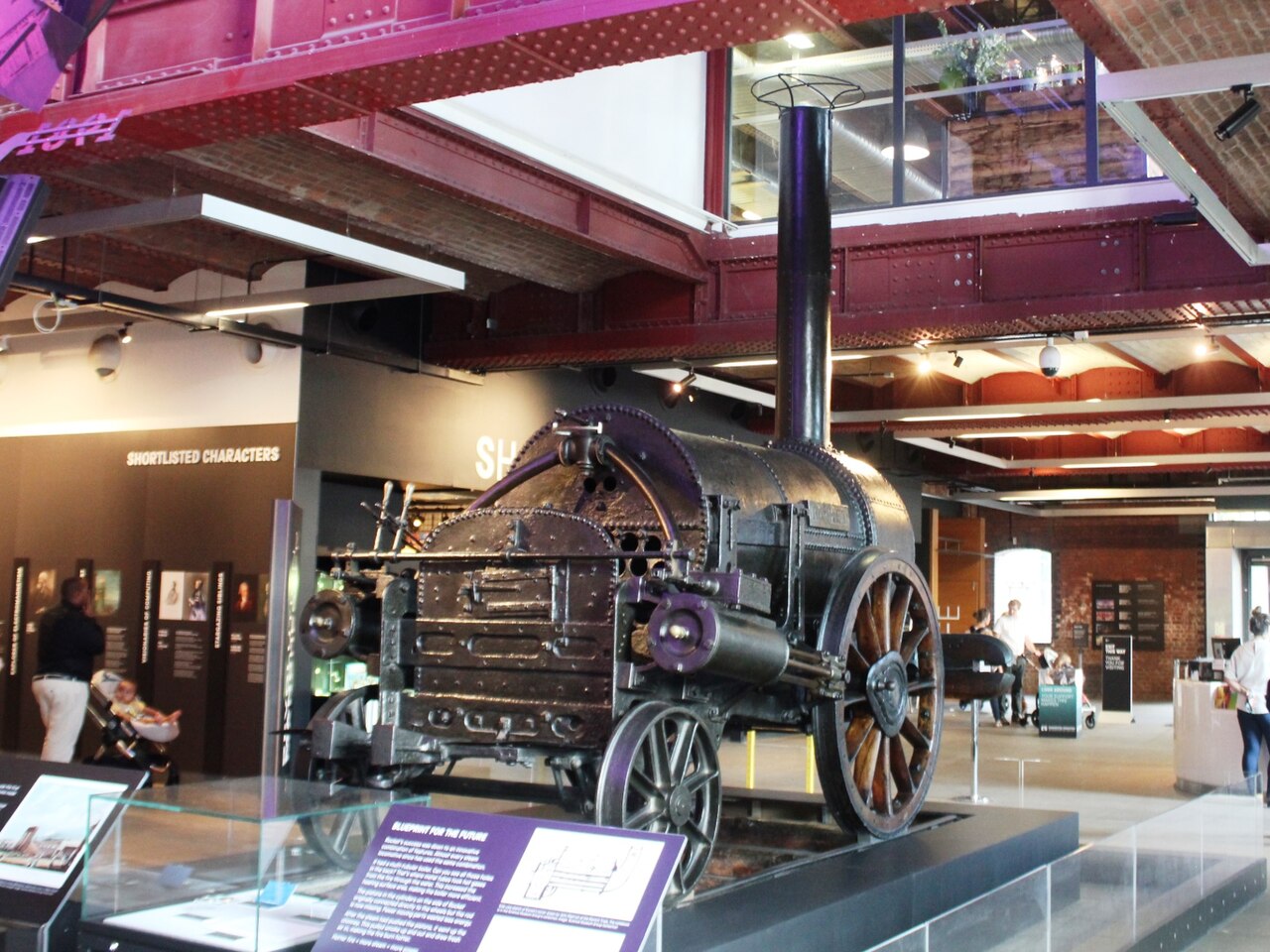
- The locomotive had a 16 ft smokestack chimney and a cylindrical boiler with a separate firebox at the rear.
Steam's Place in the Record Taxonomy
Steam locomotives occupy a distinct and dedicated category within the broader taxonomy of rail speed records. The record-keeping framework separates rail vehicles by their method of propulsion, listing steam alongside electric traction, diesel-electric, diesel-hydraulic, gas turbine, propeller, rocket, and jet systems. Within this structure, steam-powered rail vehicles form their own subsection of the absolute world speed records, kept separate from fuel-electric and fuel-mechanic categories. This classification matters because it acknowledges that the physics of steam propulsion—converting thermal energy into mechanical motion through expanding vapor—produces a fundamentally different performance envelope than an electric motor drawing power from overhead lines or a third rail. The record tables track each propulsion family independently, meaning a steam locomotive's top speed is benchmarked against other steam locomotives rather than against a maglev train or a diesel-hydraulic multiple unit. This separation preserves the historical integrity of each technology's achievements while allowing readers to compare across eras of rail development.
The Verified Ceiling and Unverified Claims
The most consequential boundary in steam locomotive speed records is the verified ceiling of 202.6 kilometres per hour, a mark set by the locomotive Mallard. The record-keeping documentation is explicit: any steam locomotive speed claimed above this threshold has not received official verification. This creates a two-tier reality for steam speed records. Below the Mallard figure, speeds are treated as confirmed and directly comparable. Above it, claims exist but remain in a state of uncertainty, lacking the independent validation that would elevate them to the same evidentiary standard. This distinction between verified and unverified performance recurs throughout the rail speed record documentation, where the State field can read Proto. for prototypes, Unmod. for unmodified service vehicles, Tuned for modified vehicles, or Unknown when the condition is not documented. For steam locomotives, the verification gap above the Mallard mark means that the true upper limit of what steam power can achieve on rails remains, in the eyes of official record-keepers, an open and unresolved question.
How Records Are Classified and Described
Every entry in the rail speed record tables is governed by a structured set of descriptors that define precisely what was measured and under what conditions. The Arrangement field specifies whether the train consisted of a single locomotive pulling cars, multiple motorized elements coupled together, or a single self-contained rail vehicle such as a railbus. The Power field identifies the propulsion source from a list that includes DC, AC, single phase, triphase, diesel-electric, gas, steam, diesel-hydraulic, propeller, rocket, and jet. The State field captures the condition of the vehicle: whether it was a prototype, an unmodified vehicle taken directly from service, a vehicle modified at some level to improve performance, or of unknown configuration. Together, these three descriptors ensure that a speed figure is never presented in isolation. A reader can immediately determine whether the record was set by a purpose-built experimental vehicle or a standard service locomotive, whether it was running on its original configuration or a tuned version, and how many powered units contributed to the effort. This rigor prevents misleading comparisons across the full history of rail transport.
Speed Records Beyond the Steel Wheel
The speed record landscape extends well beyond the steam era and the conventional steel-wheel-on-steel-rail paradigm. These entries demonstrate that the pursuit of rail speed has diversified across fundamentally different physical principles: magnetic levitation eliminating wheel-rail friction, aerodynamic lift replacing mechanical contact, and rotary blade propulsion supplementing wheel drive. For a steam locomotive like Stephenson's Rocket, which relied entirely on the mechanical interaction of driving wheels with a steel rail, these later achievements represent an entirely different engineering universe where the very definition of rail transport has been expanded to include vehicles that never truly touch the track in the conventional sense.
Common Misconceptions (Editorial)
Some people mistakenly believe that George Stephenson alone designed the *Rocket*, but the facts show that his son Robert was the builder and that Henry Booth likely suggested the multi-tube boiler. Others assume the *Rocket* was a heavy, powerful locomotive, but it was built specifically as a fast, light machine of moderate hauling power to meet the Rainhill Trials’ strict weight limits.
Why It Matters (Editorial)
The *Rocket* endures because it didn’t just win a race—it proved that steam locomotion could be fast, reliable, and practical for regular passenger service. Its design became the template for nearly all later steam locomotives, shaping railway travel and commerce across the world for over a century.
Gallery

Frequently Asked Questions
What wheel arrangement did Stephenson's Rocket use?
It ran on a 0-2-2 configuration: two driving wheels and two trailing wheels with no leading axle. That layout gave it enough traction for the Rainhill Trials while keeping the frame light enough to meet the contest's speed demands.
More in Legendary Trains 1-20
Spotted an error? Know more?
This is a living reference — every entry is fact-audited, and reader corrections feed straight into our audit queue. Suggest an edit · See this site's audit record