
The Trans-Siberian Railway
Longest railway line in the world, connecting Moscow to Vladivostok.

Wikimedia Commons · Public domain
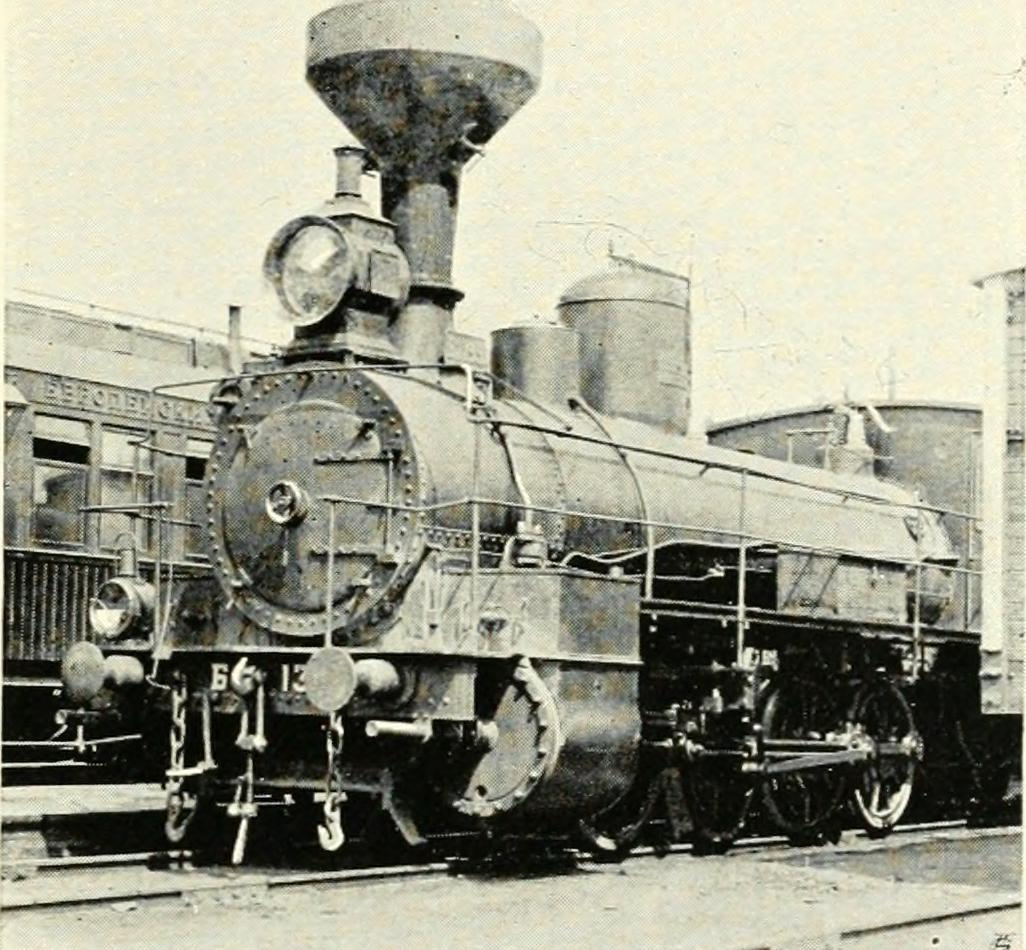
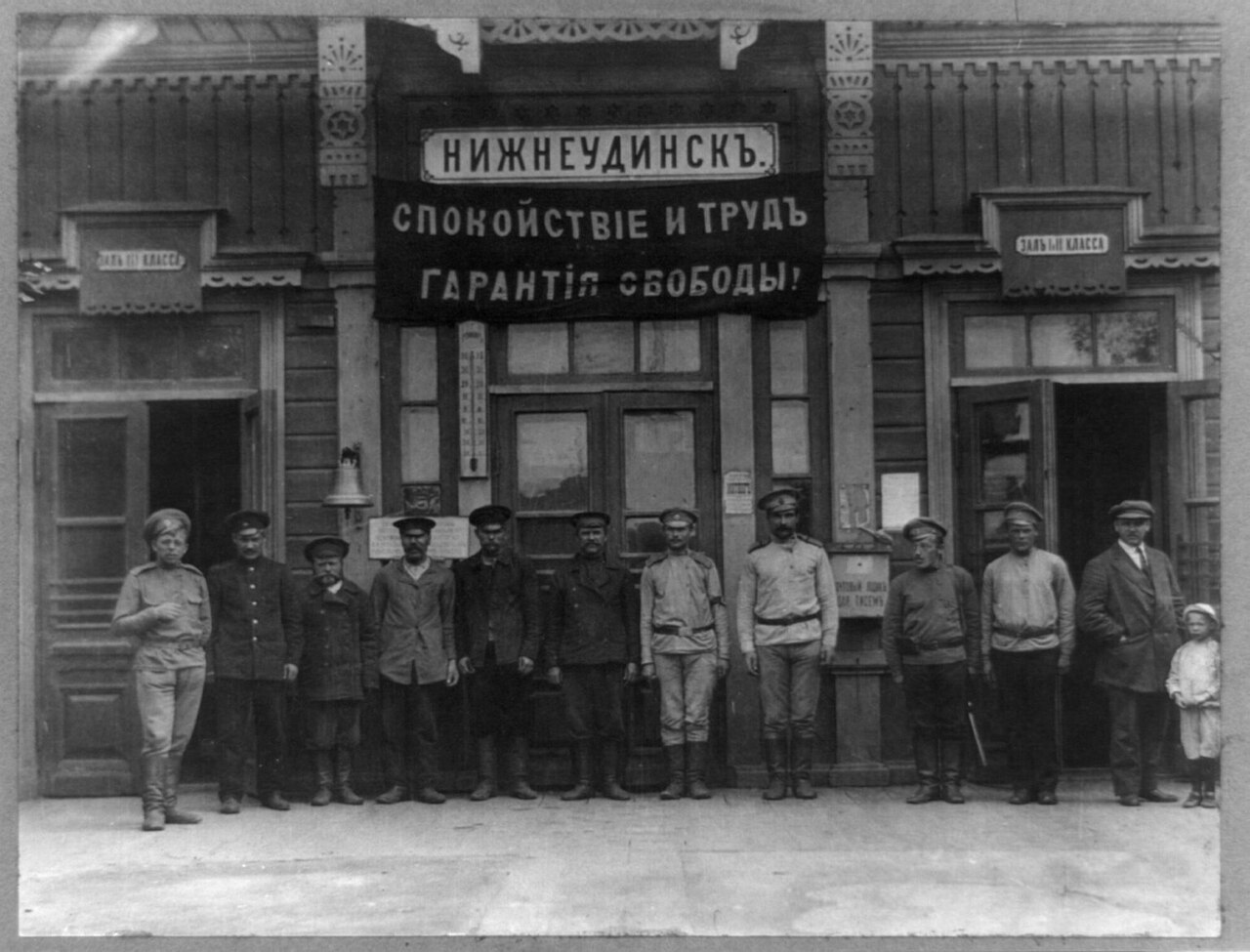
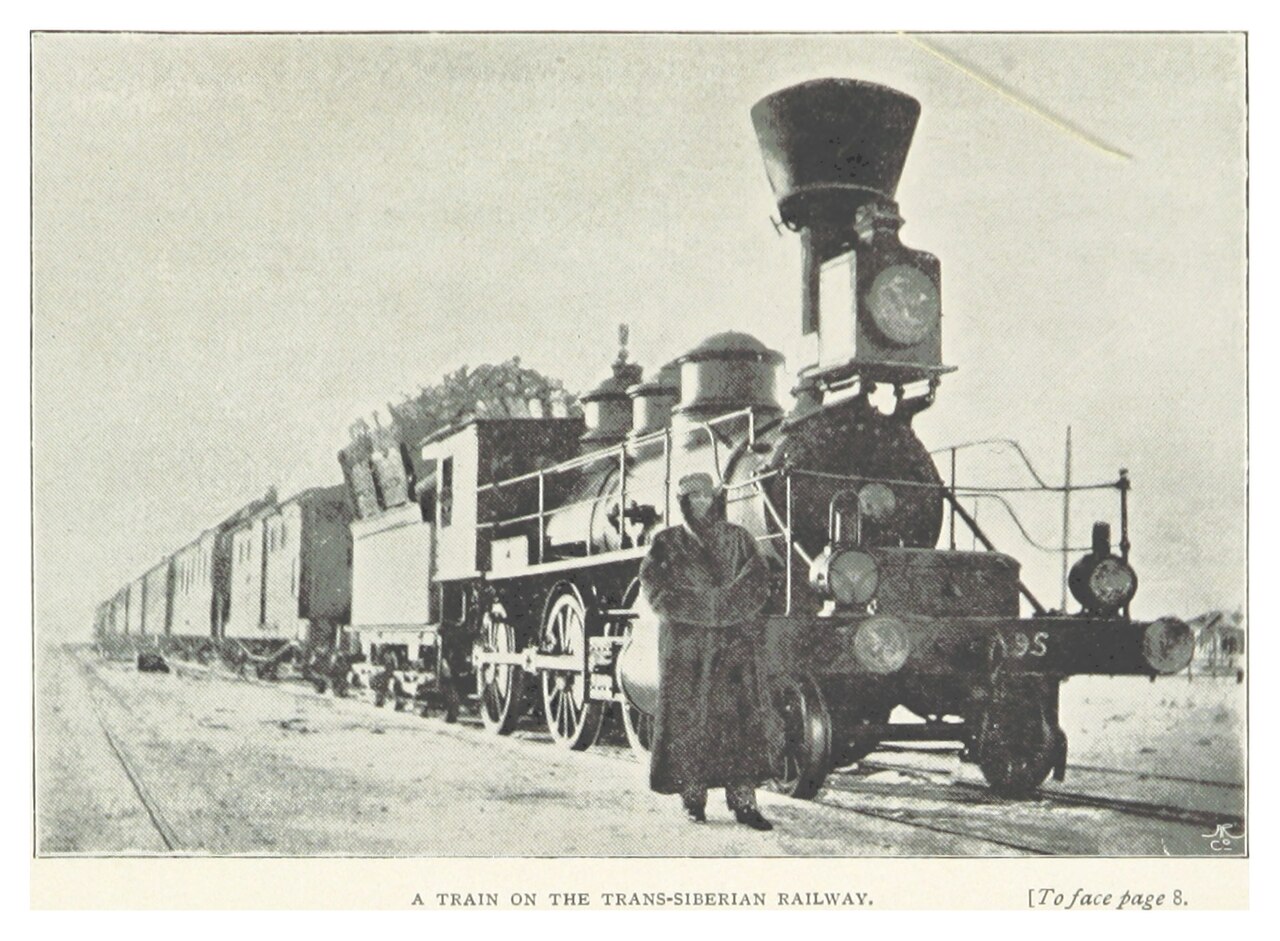
The Trans-Siberian Railway, historically known as the Great Siberian Route and often shortened to Transsib, is a large railway system that connects European Russia to the Russian Far East.
- primary routes
- Trans-Siberian, Trans-Manchurian, Trans-Mongolian
Lore & Background
The Trans-Siberian Railway was built under the supervision of government ministers personally appointed by Tsar Alexander III and his son Nicholas II. Ice-breaking train ferries SS Baikal and SS Angara, designed by Russian admiral Stepan Makarov and built in Newcastle upon Tyne, made the four-hour crossing. The ships were built as 'knock down' vessels, disassembled and transported in kit form to Listvyanka for reassembly. Baikal could carry 24 railway coaches and one locomotive; it was later burnt out in the Russian Civil War, while Angara survives as a museum in Irkutsk. The main route passes through cities including Yaroslavl, Omsk, Novosibirsk, Krasnoyarsk, Irkutsk, and Khabarovsk. Two other primary routes exist: the Trans-Manchurian and Trans-Mongolian. The Baikal–Amur Mainline is a separate railway line, not a primary route of the Trans-Siberian system.
Reader's Guide
It transformed Siberia by providing a reliable transport link that replaced seasonal river and sledge routes, enabling economic development and colonization of the Russian Far East. The railway's construction addressed poor transport links that had hampered the region for decades, with early steamboat services on Siberian rivers proving inadequate for west–east travel. Its legacy includes serving as the backbone for several transcontinental routes, including connections to Mongolia, China, and North Korea. As of 2021, expansion projects remain underway, with proposals to extend the network to Tokyo, Japan via bridges or tunnels through Sakhalin and Hokkaido. The railway also set records for continuous service, with the Moscow–Vladivostok journey taking eight days, though longer services such as Moscow–Pyongyang and Kyiv–Vladivostok also follow the Trans-Siberian for much of their routes. The railway's construction involved careful planning to avoid existing cities and save costs, such as laying the line 70 km south of Tomsk and using a dead-end branch line to connect that city. The design process lasted ten years, with alternative southern and northern routes considered but not built. The railway remains a symbol of Russian engineering and imperial ambition, still in active use and expansion.
Did You Know?
- The Trans-Siberian Railway spans eight time zones and takes approximately six days to complete the journey from Moscow to Vladivostok on the Rossiya train.
- The Trans-Siberian already connects to Mongolia, China, and North Korea via its Trans-Mongolian and Trans-Manchurian branches.
Scale and the Architecture of the Route
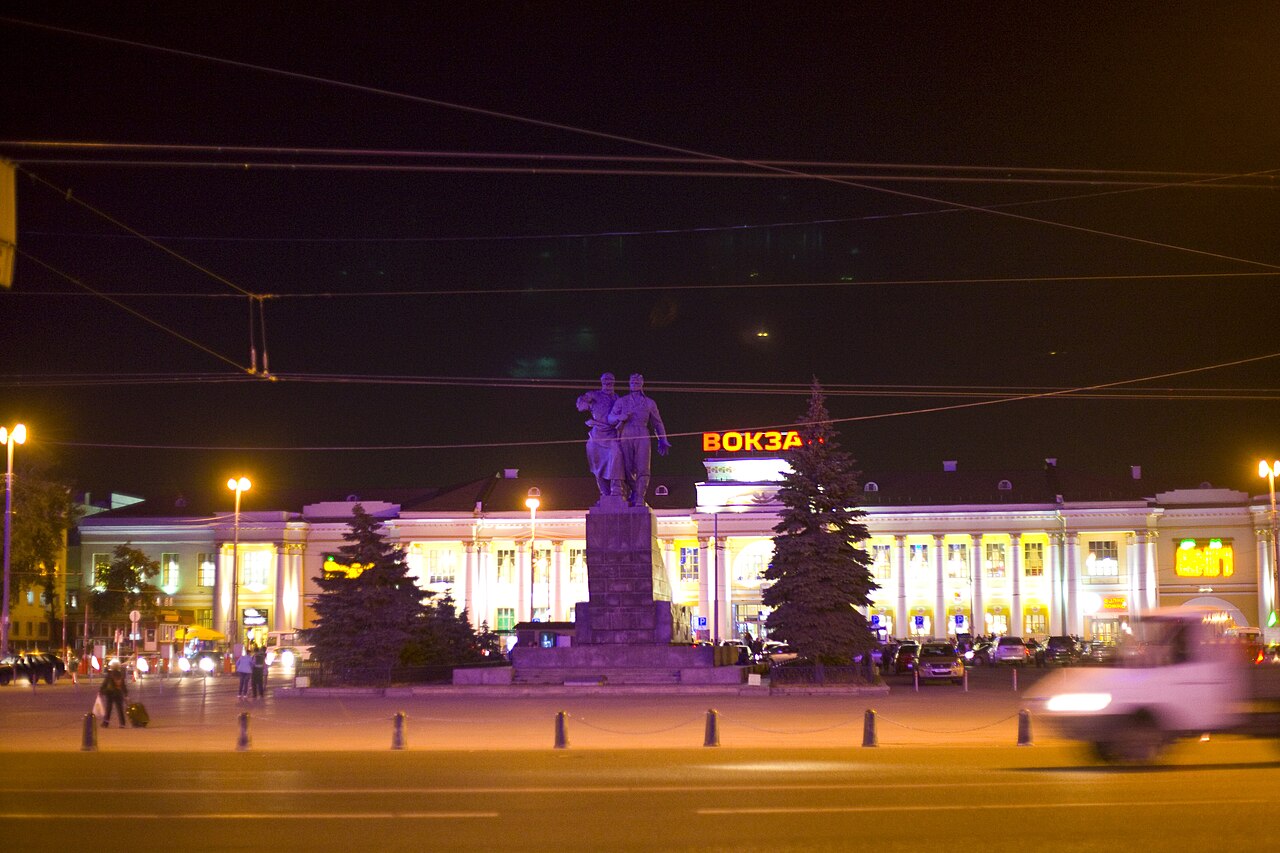
A single journey across its main corridor takes roughly eight days and crosses a record eight time zones. The primary track departs Moscow's Yaroslavsky Vokzal and threads through Yaroslavl or Chelyabinsk, Omsk, Novosibirsk, Krasnoyarsk, Irkutsk, Ulan-Ude, Chita, and Khabarovsk before arriving at the Pacific port of Vladivostok. Yet the network is far more than one line. The Trans-Mongolian peels off at Ulan-Ude, dipping south through Ulaanbaatar and onward to Beijing.
Why Siberia Needed a Railway
In the late nineteenth century, moving goods and people across Siberia was a seasonal ordeal. For roughly five months each year, rivers served as the principal arteries of transport, while winter travelers relied on horse-drawn sledges hauled over frozen waterways. Yet these waterways were largely oriented north to south, making the critical east-west connection extremely difficult. The Ob-Yenisei Canal, attempted as a remedy, delivered little practical benefit. Siberia's governor, Nikolay Muravyov-Amursky, pushed surveys in the Khabarovsk region to strengthen Russian colonization of the Far East, where settlers still imported grain from China and Korea.
Imperial Ambition and the Building Years
The design phase alone consumed a decade, during which planners weighed a southern corridor through Kazakhstan and Mongolia against a northern option via Tyumen, Tobolsk, Tomsk, and even Yakutsk. Financing came in part from Baron Henri Hottinguer of the Parisian banking house Hottinger & Cie, with a total projected cost of thirty-five million pounds sterling. The first section, running from Chelyabinsk to the River Ob, was completed nine hundred thousand pounds under its original estimate. Railway engineers pushed back against cost-cutting measures such as substituting ferry crossings for bridges, insisting that permanent structures were essential from the outset.
Reaching Beyond Vladivostok
As of 2021, expansion projects are actively under way, with new rail connections being constructed toward Russia's neighbors Mongolia, China, and North Korea, extending the network's role as a continental freight and passenger artery. More ambitious proposals have also surfaced: talks and planning discussions envision a link all the way to Tokyo, Japan, which would require new bridges or tunnels connecting the mainland railway through Russia's Sakhalin Island to Japan's Hokkaido. The railway thus continues to evolve, stretching its reach across borders and toward new Pacific destinations.
Common Misconceptions (Editorial)
1. Some people believe the Baikal–Amur Mainline is one of the primary routes of the Trans-Siberian system, but it is actually a separate railway line. 2. Another common misconception is that the Trans-Siberian Railway only connects Russia. In fact, it already connects to Mongolia, China, and North Korea via its Trans-Mongolian and Trans-Manchurian branches.
Why It Matters (Editorial)
The Trans-Siberian Railway endures as both a monumental engineering achievement and a vital artery linking Europe to the Pacific. Its construction under the Romanovs and its continued operation across eight time zones underscore its lasting role in unifying Russia’s vast territory and enabling cross-continental travel and trade.
Gallery

Frequently Asked Questions
Why is The Trans-Siberian Railway important?
As the longest railway on Earth, it stands as a record-setting engineering achievement and a critical lifeline connecting two vast regions of Russia. It has shaped trade, migration, and cultural exchange across the continent for well over a century.
What are the primary routes of The Trans-Siberian Railway?
The system runs three main corridors: the Trans-Siberian, the Trans-Manchurian, and the Trans-Mongolian. All share the same Moscow-to-Vladivostok endpoints but diverge through different countries along the way.
More in Legendary Trains 1-20
Spotted an error? Know more?
This is a living reference — every entry is fact-audited, and reader corrections feed straight into our audit queue. Suggest an edit · See this site's audit record