
The Flying Scotsman
World's most famous steam locomotive, record-breaking icon of British rail.

M J Richardson · CC BY-SA 2.0
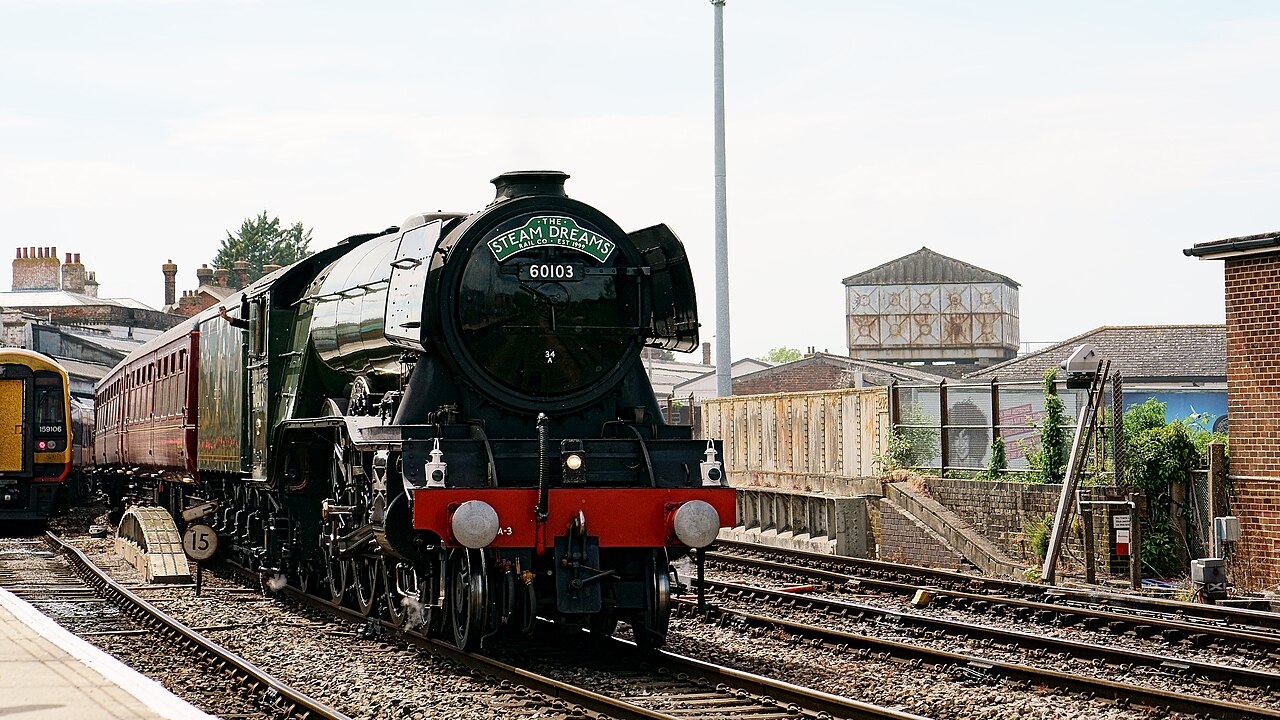
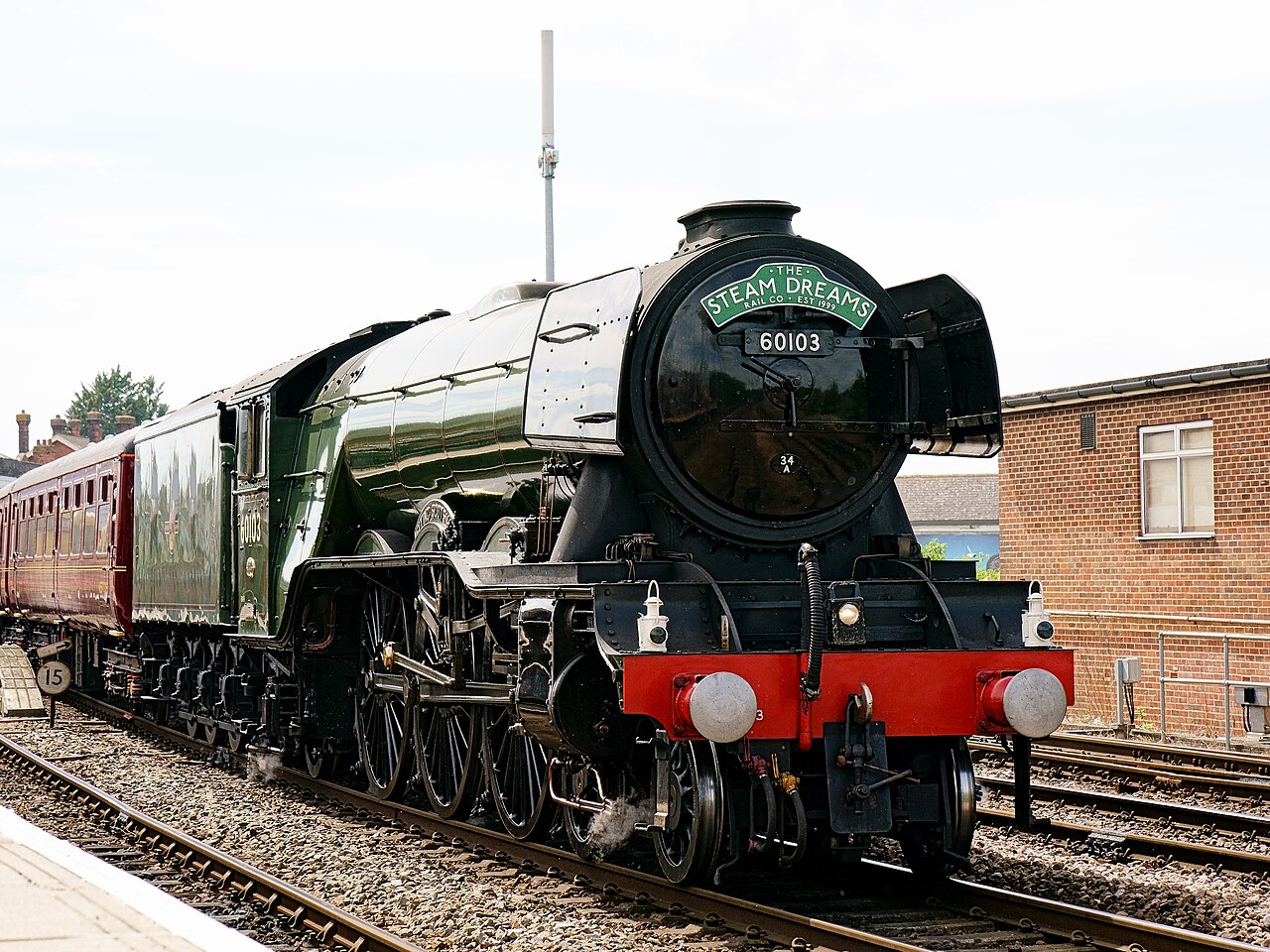
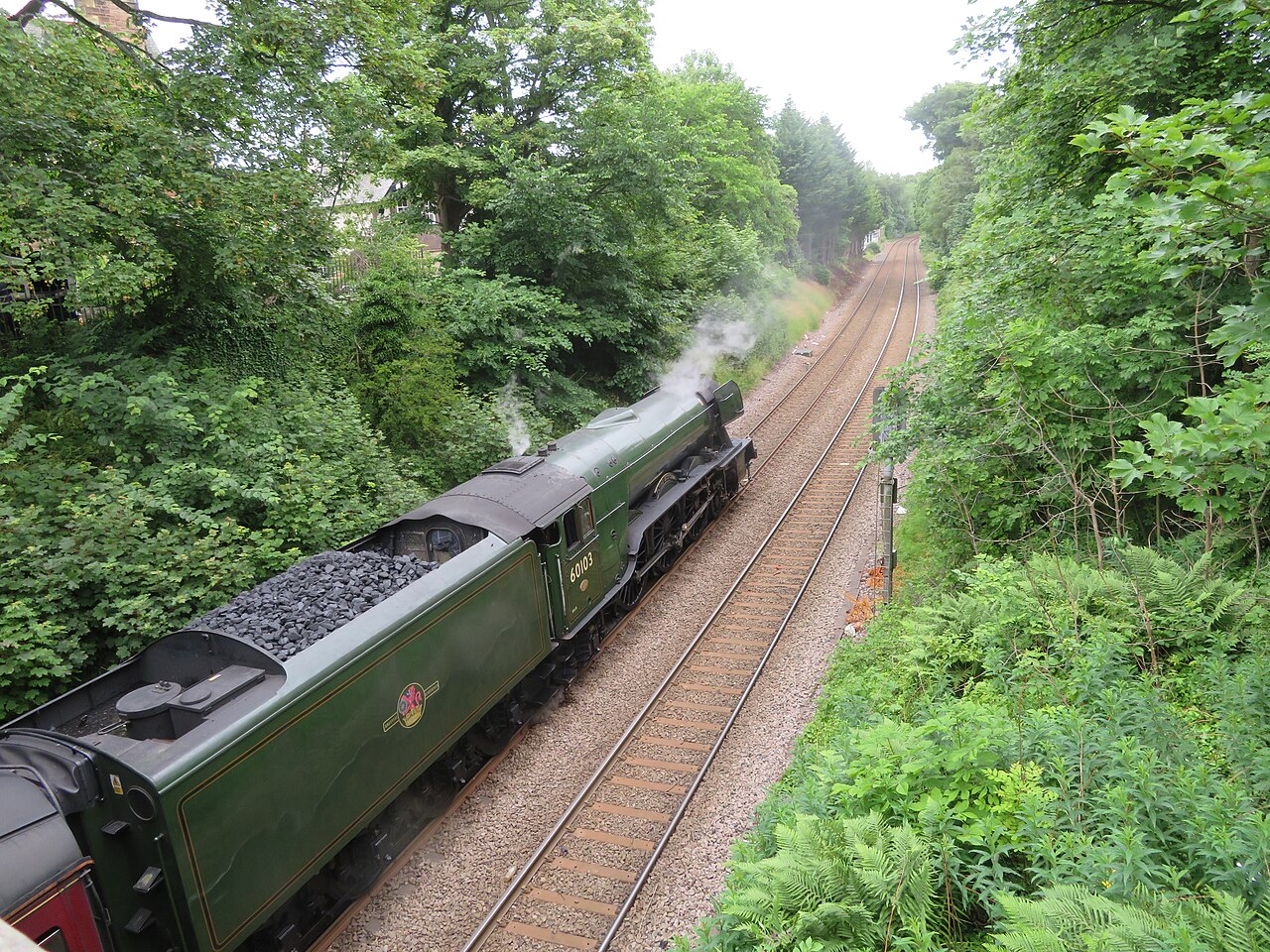
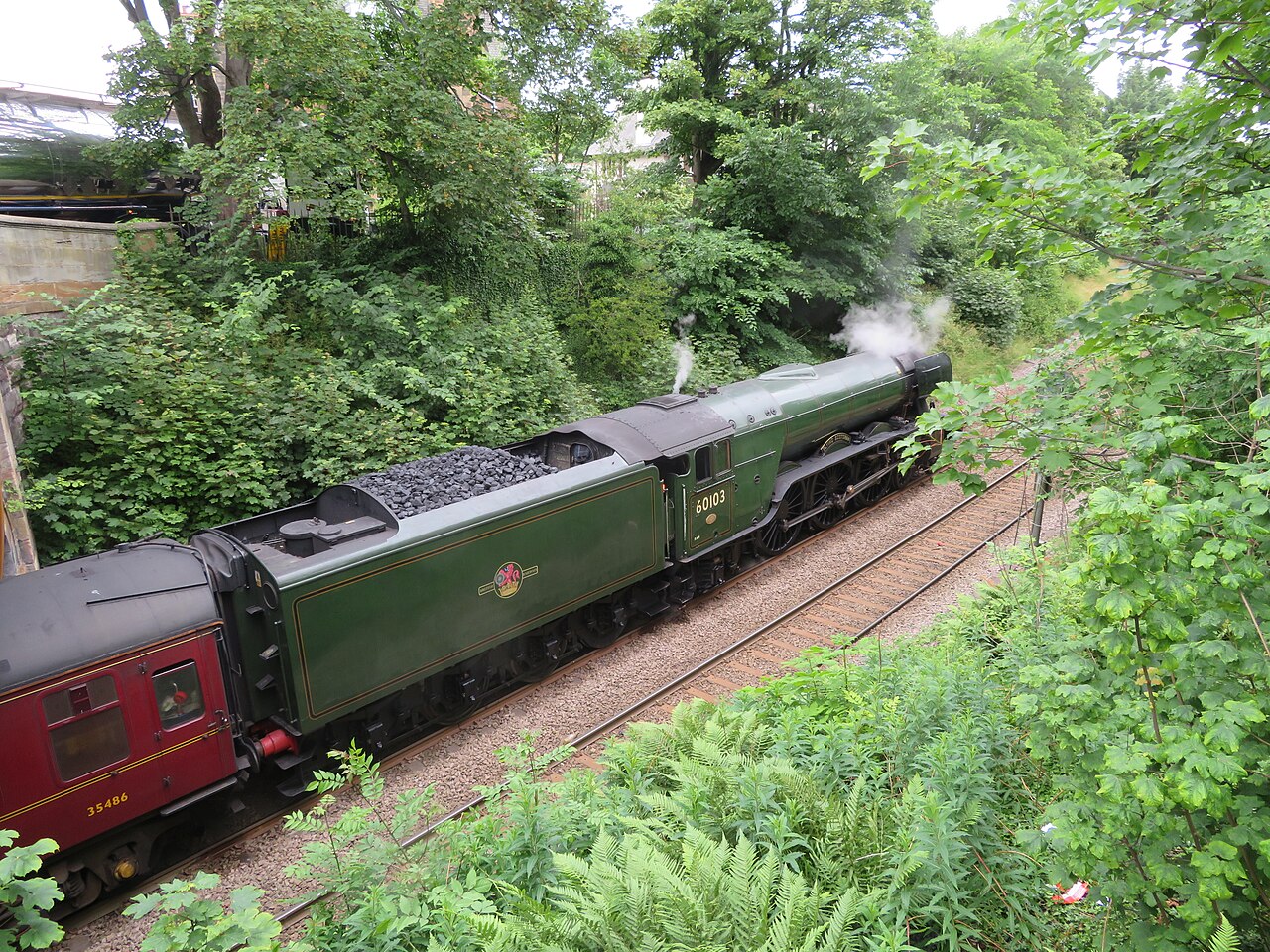
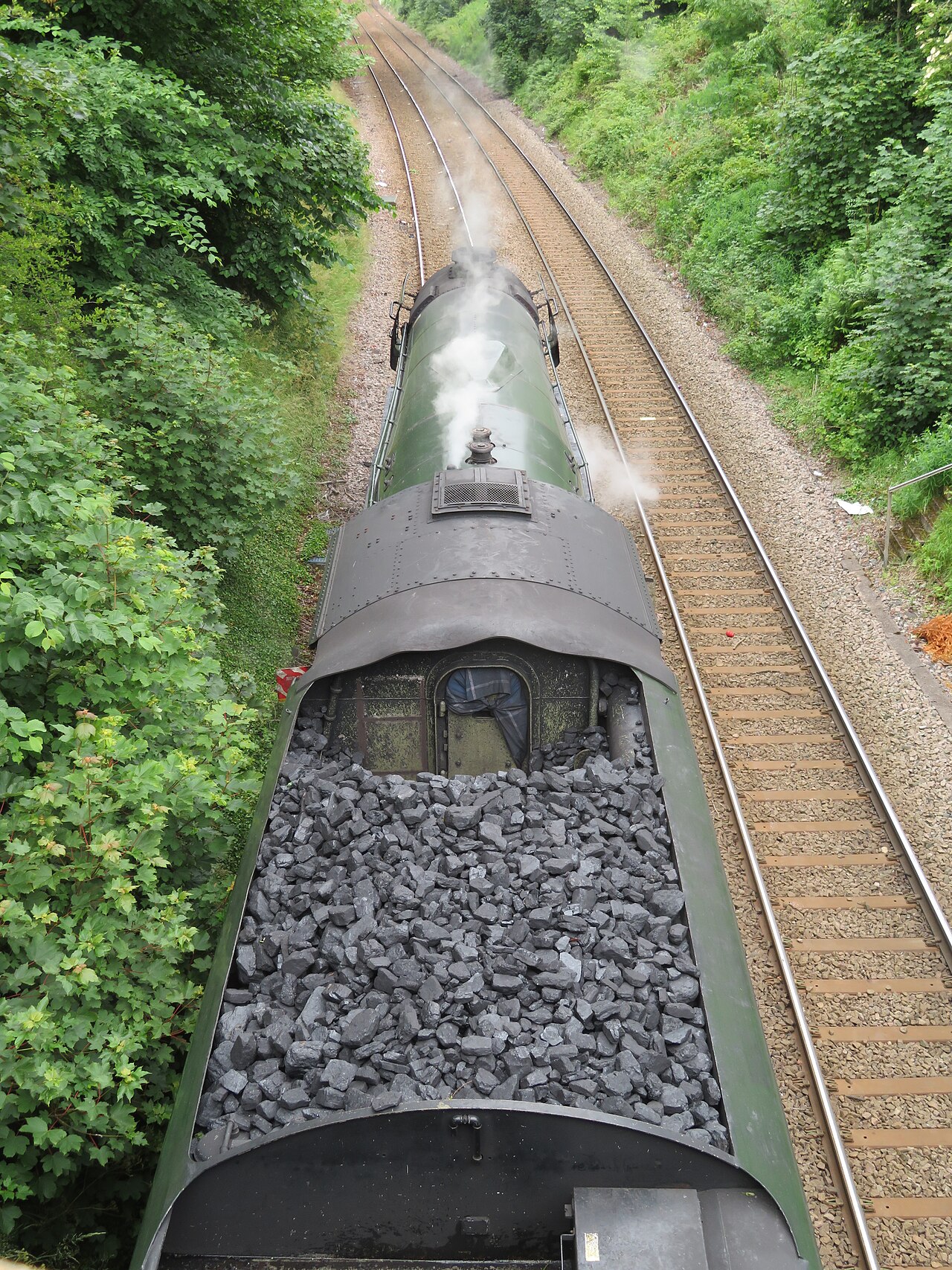
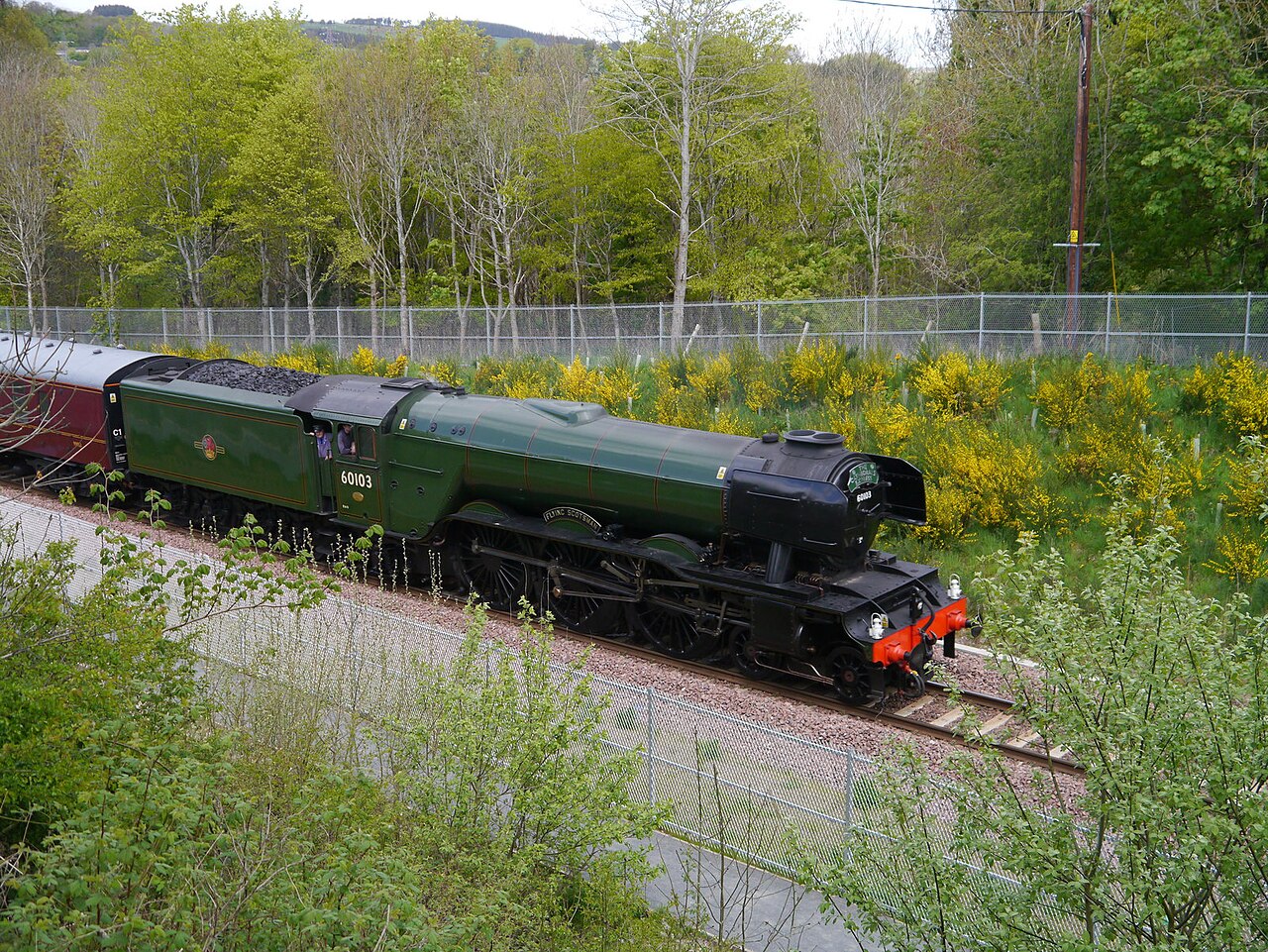
The Flying Scotsman is an LNER Class A3 4-6-2 'Pacific' type steam locomotive built in 1923 for the London and North Eastern Railway (LNER) at Doncaster Works to a design of Nigel Gresley. It became a flagship locomotive for the LNER, representing the company at the British Empire Exhibition and hauling the inaugural non-stop Flying Scotsman service in 1928. Retired from British Railways in 1963, it earned considerable fame in preservation and has been described as the world's most famous steam locomotive.
- built
- 1923
- builder
- Doncaster Works
- class
- LNER Class A3 4-6-2 Pacific
- designer
- Nigel Gresley
- owner
- London and North Eastern Railway (LNER), British Railways, and later preserved
Lore & Background
It was retired on 14 January 1963 after covering over 2.08 million miles.
Reader's Guide
Flying Scotsman's significance lies in its pioneering achievements and enduring fame. Its role in hauling the inaugural non-stop Flying Scotsman service in 1928 set a new standard for long-distance express travel. The locomotive's preservation also highlights the transition from steam to diesel and electric traction, and the efforts of enthusiasts to maintain heritage. Its appearances at exhibitions and on mainline tours have made it a symbol of British engineering and railway history.
Early Life and the Road to the Air Force
Like many young men of his generation, his path after leaving school was not immediately clear. He took a position working in a local garage, but the routine quickly lost its appeal. There, he underwent training as a navigator, a role that would define his entire military career. The decision to trade the monotony of a garage job for the skies marked the beginning of a life that would take him from the quiet streets of Somerset to the front lines of one of history's most devastating conflicts. His early years in the RAF laid the groundwork for the extraordinary record of service he would go on to build during the Second World War.
Wartime Service and Combat Operations
When the Second World War erupted, Broom was mobilised to France and assigned to No. 13 Operational Training Unit at Bicester. There, his role shifted from combat to instruction, teaching new navigators the skills they would need in the heat of battle. From that point until the war's end, he flew front-line operations with Nos. In total, Broom completed 83 operations, a remarkable tally that earned him the Distinguished Flying Cross on three separate occasions. It was during his time with No.
Post-War Life and a Cross-Border Marriage
Broom left the RAF in September 1945 and found himself working for the Control Commission in occupied Germany. The assignment presented an immediate language barrier, as he could not speak German. The solution came in the form of a young German war widow assigned to him as an interpreter. By 1949, the couple had returned to his hometown of Portishead, where Broom settled into civilian life, taking a position in the accounts department of Esso Petroleum. Tragically, his wife Annemarie passed away in 1963, leaving him to the quiet rhythms of the town where he had been born. For the remainder of his long life, apart from the war years and his period in Germany, Broom never left Portishead.
Legacy and the Bonds That Endured
Broom's legacy is anchored in the extraordinary bravery he displayed over 83 bombing operations during the Second World War, an achievement recognised by the triple award of the Distinguished Flying Cross. Yet his story extends well beyond the medals. The friendship he forged with fellow navigator Ivor Broom while serving in No. Their bond, formed in the high-pressure environment of wartime flying, became a testament to the deep connections that could grow even amid the chaos of combat. From the garage where he first worked to the Esso Petroleum office where he spent his post-war years, his world remained rooted in the same community, a deliberate choice that speaks to a man who had seen the worst of war and chose, in the end, the steadiness of home.
Common Misconceptions (Editorial)
A common misconception is that The Flying Scotsman was retired in the 1930s or 1940s. According to the facts, it was not retired until 14 January 1963. Another misconception is that it was built by British Railways; in fact, it was originally built in 1923 by Doncaster Works for the London and North Eastern Railway (LNER), not British Railways, which did not exist until after nationalization.
Why It Matters (Editorial)
The Flying Scotsman endures as a symbol of the golden age of steam rail travel, not only for its record-setting non-stop service in 1928 but also because its preservation has allowed generations to witness its power and beauty in action. Its fame outlasted its working life because it represents the pinnacle of British engineering ambition and nostalgia for a romanticized era of long-distance train travel. The locomotive continues to be a living icon, reminding us that industrial heritage can still inspire wonder in a modern age.
Gallery
Frequently Asked Questions
Who is The Flying Scotsman?
The Flying Scotsman is an LNER Class A3 4-6-2 Pacific-type steam locomotive constructed at Doncaster Works in 1923 to a design by engineer Nigel Gresley. It served as the flagship engine of the London and North Eastern Railway and remains the most recognizable steam locomotive in the world.
Why is The Flying Scotsman important to rail history?
It stands as the world's most famous steam locomotive and a record-breaking icon of British railway engineering. Its combination of speed records, flagship status for the LNER, and decades of continued operation after retirement make it a lasting symbol of the steam era.
Who designed and built The Flying Scotsman?
The locomotive was designed by Nigel Gresley and built at Doncaster Works in 1923 for the London and North Eastern Railway. It belongs to the LNER Class A3 4-6-2 'Pacific' type, a family of express passenger engines that became synonymous with British mainline speed.
More in Legendary Trains 1-20
Spotted an error? Know more?
This is a living reference — every entry is fact-audited, and reader corrections feed straight into our audit queue. Suggest an edit · See this site's audit record