
The Eurostar
High-speed rail service linking the UK and continental Europe via the Channel Tunnel.

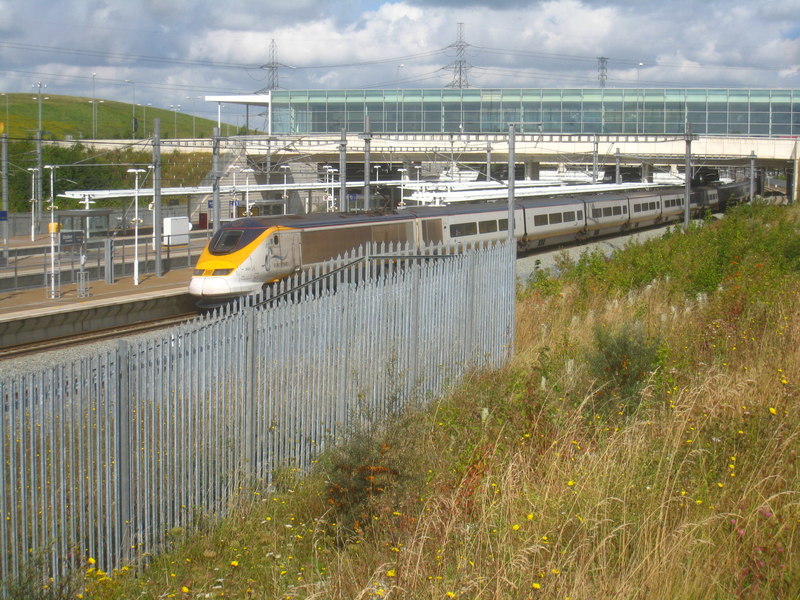
Kenneth Yarham · CC BY-SA 2.0
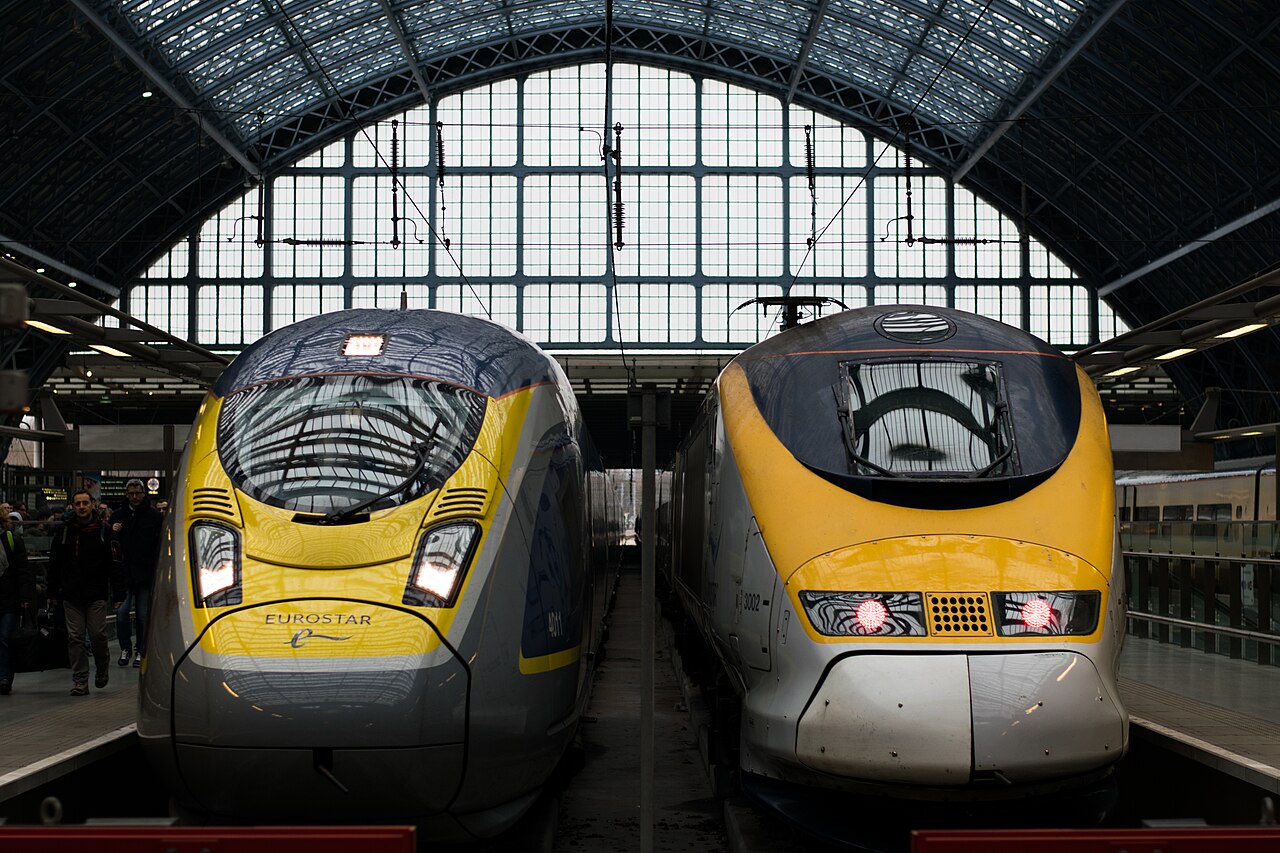
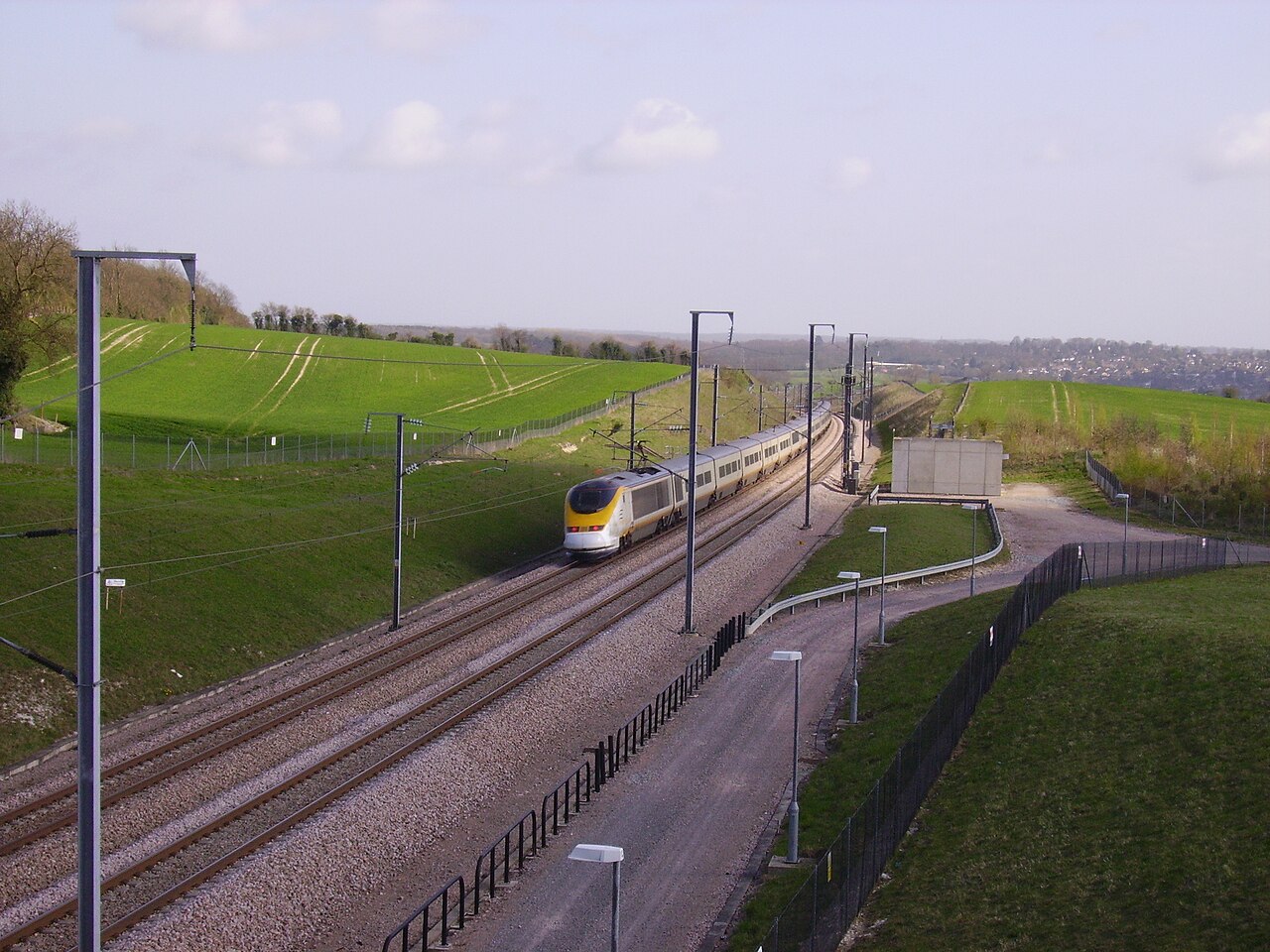
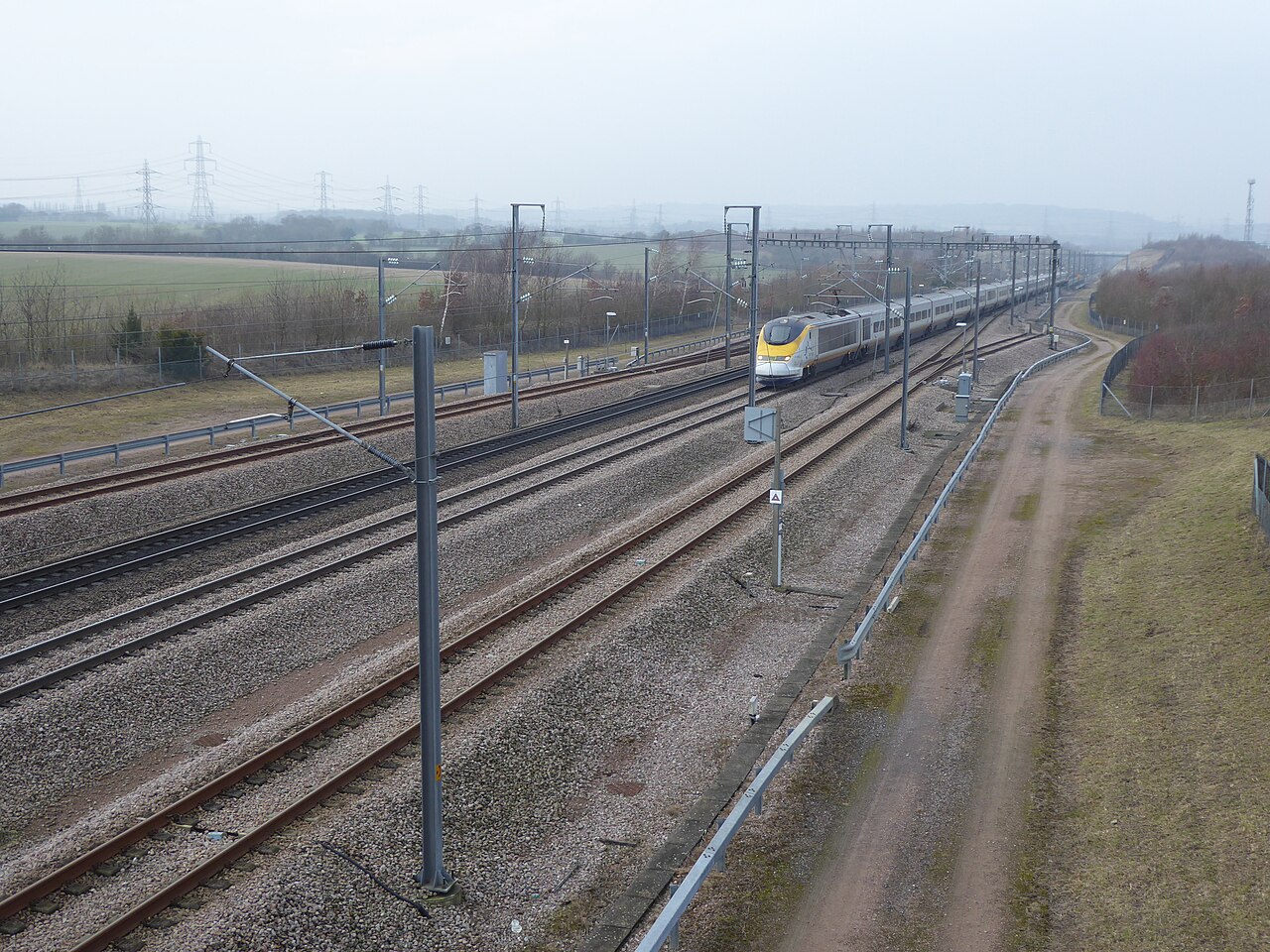
Eurostar is an international high-speed rail service in Western Europe, connecting Belgium, France, Germany, the Netherlands, and the United Kingdom through the Channel Tunnel.
- record_annual_passengers
- 20 million (2025)
- headquarters
- London
- major_shareholders
- SNCF (55%), SNCB (5%), CDPQ (30%), Hermes Infrastructure (10%)
- key_routes
- London to Paris, Brussels, Amsterdam, Rotterdam, Lyon, Avignon, Marseille
- awards
- World's Leading Passenger Rail Operator (15 consecutive occasions)
Reader's Guide
Eurostar's significance lies in its role as the only high-speed rail service connecting the United Kingdom to mainland Europe via the Channel Tunnel, fundamentally altering travel between London, Paris, Brussels, and beyond. The service faced severe challenges during the COVID-19 pandemic, nearly collapsing due to travel restrictions and lack of state support, but recovered by 2022. Eurostar has won multiple World Travel Awards, including World's Leading Passenger Rail Operator 15 consecutive times, and has been recognized for environmental and sustainability practices. The service's history reflects broader trends in European integration, infrastructure investment, and the resilience of cross-border rail travel.
Did You Know?
- During the COVID-19 pandemic, Eurostar ridership fell to less than 1% of pre-pandemic levels by January 2021.
Origins & the Shifting Route
Born in 1890 as the Rome Express, this daily Paris-to-Rome service quickly became a fixture of European rail travel, running without interruption until the Second World War. Its original path threaded through Calais-Maritime—a coastal station linking cross-channel ferries to the French network—then onward through Paris, Aix-les-Bains, Modane, Turin, Genoa, Pisa, and Florence before reaching the Italian capital. Even then, connections via bus to Calais-Ville or a Eurostar ride to Calais-Frethun kept the through-journey technically possible.
A Grim Decade of Accidents
The Rome Express's pre-war years were marred by a grim string of accidents that cast a long shadow over an otherwise celebrated service. On 24 March 1936, the train derailed just beyond Florence, claiming three lives and injuring twenty others. These incidents, spaced across four years, underscored the dangers of long-distance express travel on infrastructure not always designed for such speeds.
Corporate Shuffling & the 2011 Demise
The Palatino Express's post-war identity was shaped by a constant reshuffling of corporate partnerships. In 1971 Wagons-Lits stepped back from operating its own coaches, retaining only staff and ancillary duties such as laundry for the national companies' sleepers. That year, SNCF and Trenitalia launched Artesia, a dedicated joint venture, and the Palatino became one of its flagship routes. But the rise of SNCF's TGV high-speed network steadily eroded demand for traditional overnight sleepers.
A Brief Resurrection and Final Farewell
Yet the resurrection was short-lived.
Common Misconceptions (Editorial)
A common misconception is that Eurostar is a single company wholly owned by one national railway. In fact, Eurostar is headquartered in London and has multiple major shareholders, with SNCF holding only 55%, while CDPQ holds 30%, Hermes Infrastructure holds 10%, and SNCB holds 5%. Another misconception is that Eurostar only serves London to Paris or Brussels; however, its key routes also include Amsterdam, Rotterdam, Lyon, Avignon, and Marseille.
Why It Matters (Editorial)
Eurostar endures as a symbol of practical European integration, physically linking the UK to the continent via the Channel Tunnel and moving millions of passengers annually. Its resilience is also notable: despite a devastating pandemic-era collapse to under 1% of normal ridership, the service rebuilt to a record 20 million passengers in 2025, proving its lasting importance for cross-border travel and commerce.
Gallery
Frequently Asked Questions
Who is The Eurostar?
The Eurostar is a high-speed international rail service that physically links the United Kingdom to continental Europe by threading trains through the Channel Tunnel. It is run by the Eurostar Group, a company born from the merger of the original Eurostar and Thalys operators.
What are The Eurostar's powers and role?
Its defining capability is carrying passengers at high speed between London and major cities in France, Belgium, the Netherlands, and Germany without a flight or ferry. Key routes stretch from London to Paris, Brussels, Amsterdam, Rotterdam, Lyon, Avignon, and Marseille.
Who owns The Eurostar?
France's SNCF holds the majority stake at 55 percent, while Canada's CDPQ owns 30 percent and Hermes Infrastructure holds 10 percent. Belgium's SNCB keeps a 5 percent share, and the operation is headquartered in London.
More in Legendary Trains 1-20
Spotted an error? Know more?
This is a living reference — every entry is fact-audited, and reader corrections feed straight into our audit queue. Suggest an edit · See this site's audit record